Case File: How Gepuklah Broke Out in Malaysia
A creator-led category obsession became a constrained pop-up, hours-long queues and a permanent restaurant commitment.

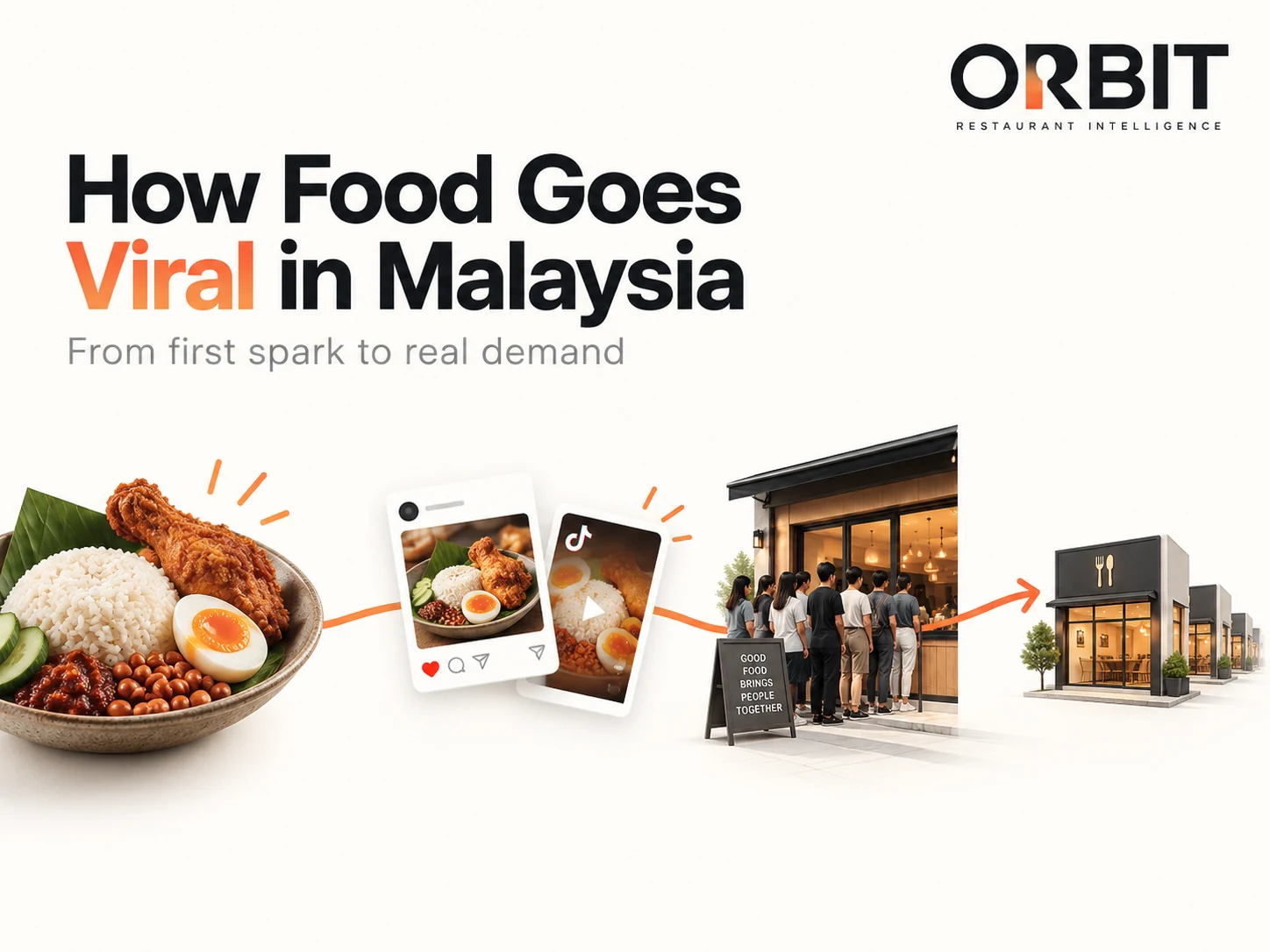
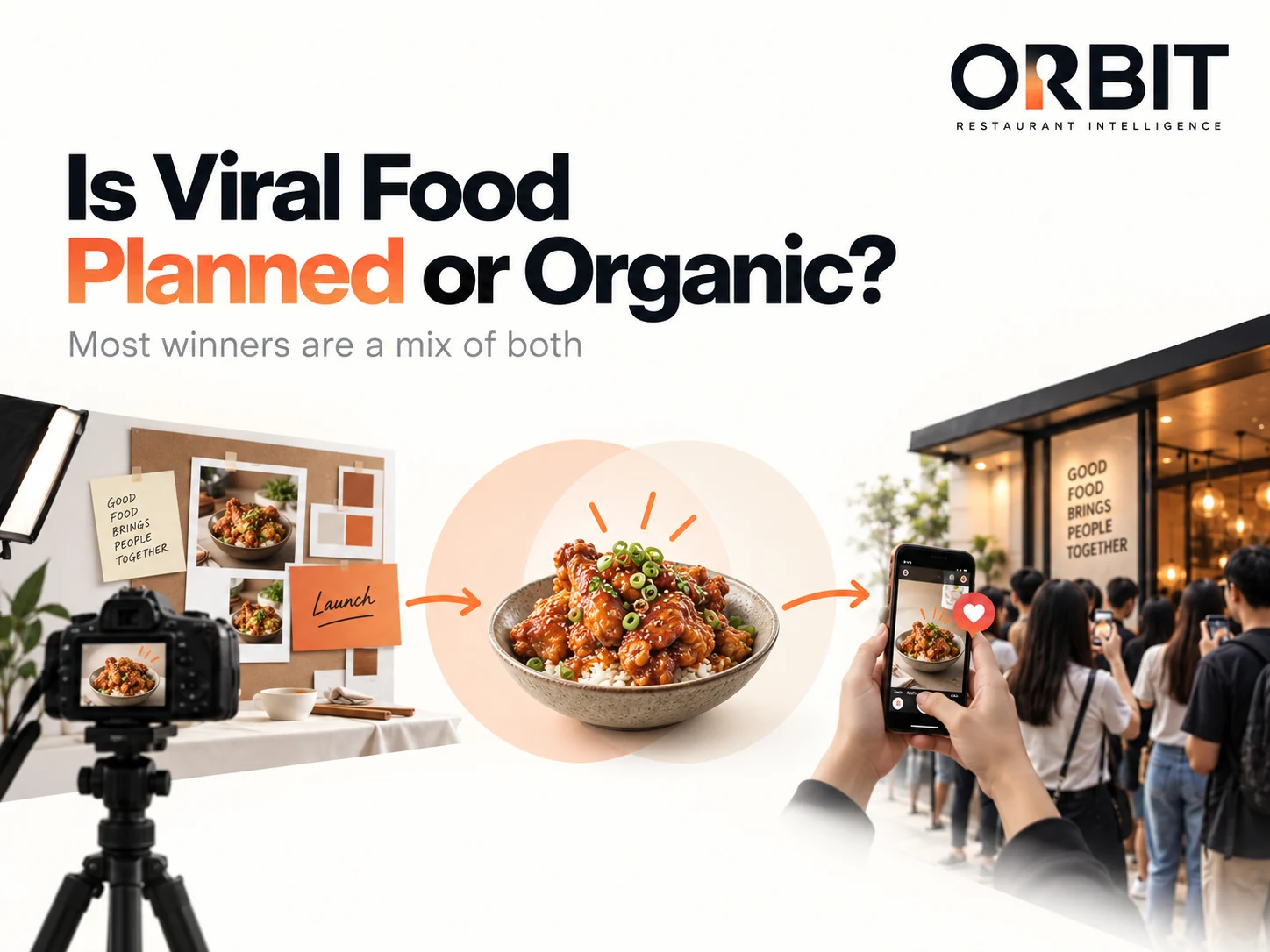
Gepuklah is one of the most useful recent Malaysian cases because the sequence is unusually visible: a creator already associated with ayam gepuk, a deliberately constrained pop-up used to test demand, multi-hour queues, independent coverage, customer debate and then a move toward permanent supply. The case suggests a hybrid breakout: planned ignition and scarcity, followed by market response that was not fully controllable.
Key takeaways
- The category existed before the brandThe product did not have to teach Malaysians what ayam gepuk was.
- The creator had category authorityMing Chun had already built attention around trying ayam gepuk.
- The pop-up was a market testThe early operating model deliberately constrained capacity.
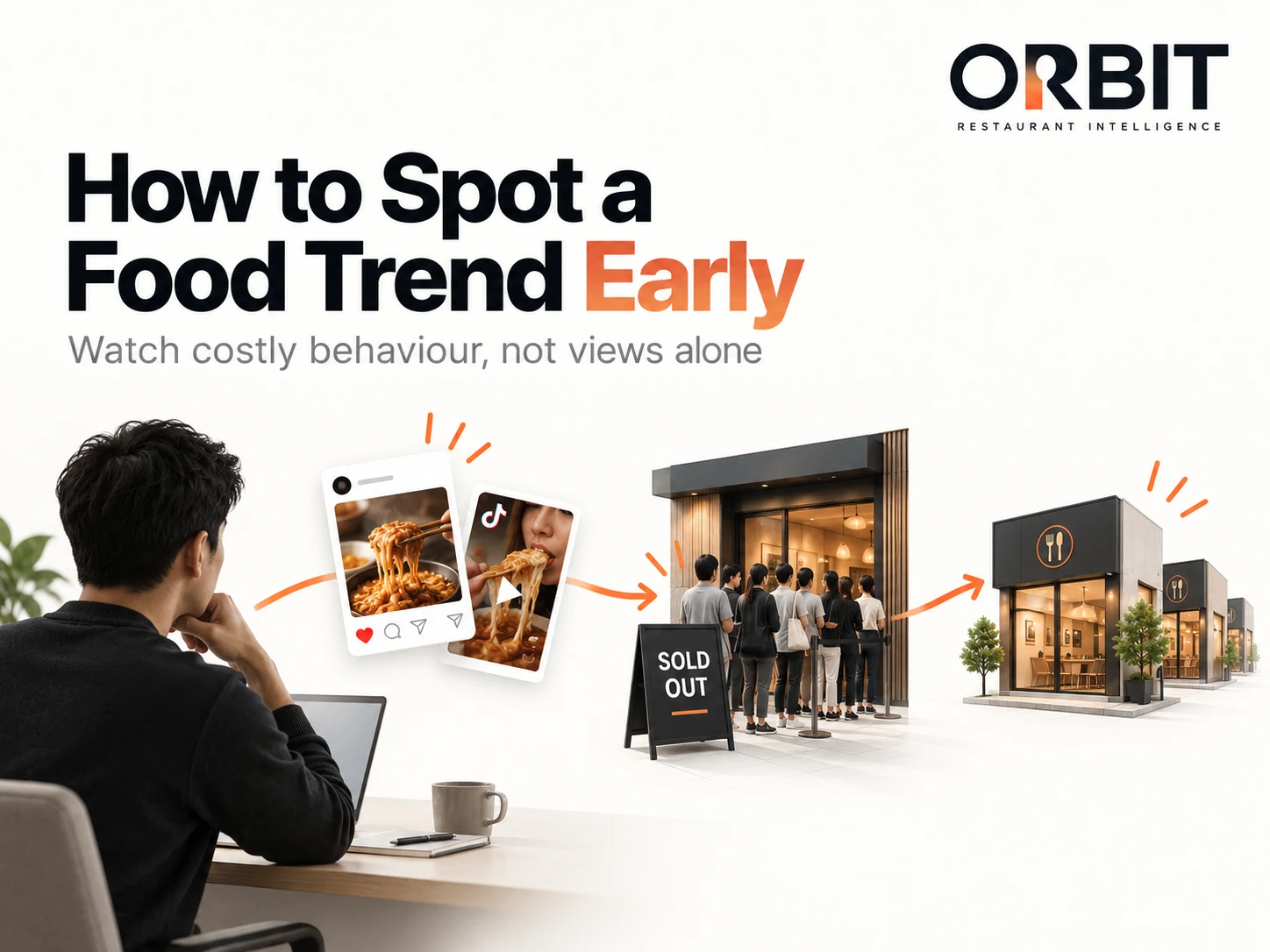
- Independent response mattersQueues and third-party reviews provide stronger evidence than creator reach alone.
What happened: a reconstructed sequence
Ming Chun publicly built an association with ayam gepuk and reportedly tried many outlets before launching his own version.
The product launched through a limited pop-up format used explicitly to test market demand.
Independent media described customers waiting for hours, creating offline proof beyond creator reach.
Third-party reviewers paid for and evaluated the food, including mixed or qualified verdicts.
After the pop-up response, a permanent restaurant plan was announced.
The concept moved from temporary test to ongoing physical supply.
The timeline matters because it separates controllable decisions from market response. The creator could choose the concept, pop-up dates and capacity. He could not fully control whether people would wait for hours, whether independent reviewers would cover it, or whether the demand would justify a permanent store.1234
Why this is more than “creator has followers”
| Layer | What Gepuklah had |
|---|---|
| Compatibility | Ayam gepuk was already a known Malaysian category |
| Relative advantage | Boneless chicken and altered rice, sambal and side structure created a reason to compare |
| Source authority | The creator had spent time publicly exploring the category |
| Scarcity | Limited pop-up sessions constrained supply |
| Observability | Queue and wait time became visible evidence |
| Participation | Customers could judge whether the creator could actually make a better product |
This does not prove which layer caused what. It shows why “follower count” is an incomplete explanation. The launch had product, network and market-test design working together.
Scarcity created a clean test, but also complicated the signal
Early reporting described limited service sessions and constrained capacity, while independent coverage described waits of several hours.23 That makes the queue meaningful, but not pure.
Limited supply has at least three effects: it protects operations during a test, creates urgency, and mechanically increases the probability of visible excess demand. A restaurant analysing the case should therefore avoid saying “long queue = demand caused by the food.”
The stronger signal is that demand remained strong enough, despite friction, to justify moving from a temporary test toward permanent supply.
Independent proof is what makes the case analytically useful
WeirdKaya’s review is particularly useful because it documented the wait and also gave a qualified verdict rather than pure promotional praise.3 That means the phenomenon continued even when the information environment contained scepticism.
This is where the distinction between popularity and structural virality becomes relevant. A creator can create a large initial broadcast, but broader confidence rises when the product receives new evidence from customers, reviewers and offline behaviour.5
| Evidence | What it supports | What it does not prove |
|---|---|---|
| Creator audience | Strong ignition capacity | Independent market demand |
| Limited sessions | Urgency and controlled test | Durable full-capacity demand |
| Hours-long queues | High arrivals relative to throughput | Taste quality or repeat purchase |
| Independent reviews | Market participation beyond brand content | Exact sales or profitability |
| Permanent-store decision | Operator confidence in demand | Long-term category dominance |
What we can and cannot infer
Public evidence cannot tell us the exact number of customers attributable to Ming Chun’s followers, the organic share of every post, exact sales, repeat purchase rates or the counterfactual demand if the pop-up had unlimited capacity.
We should therefore resist neat causal claims such as “scarcity made it viral” or “the creator made it viral.” The strongest defensible statement is that the breakout combined existing category attention, creator authority, differentiated product design, constrained testing, visible offline proof and independent discussion.
What a restaurant owner can learn
Use the case as a market-test blueprint, not a virality recipe
- Build category understanding before launching your version; know what customers already compare.
- Change a small number of high-salience product attributes rather than everything at once.
- Use a constrained test to learn real willingness to travel, wait and pay.
- Track whether customers and reviewers create a second wave beyond your own audience.
- Separate scarcity-created queueing from repeatable demand before signing long leases or expanding capacity.
- Treat qualified criticism as useful market information, not evidence that the trend has failed.
Alternative explanations we should keep alive
A good case study should preserve competing explanations rather than force one clean story. Gepuklah may have benefited from several forces that are difficult to separate publicly:
- existing national/category interest in ayam gepuk;
- Ming Chun’s personal audience and authority;
- the novelty of a reviewer becoming an operator;
- product changes such as boneless chicken and nasi lemak-style elements;
- constrained capacity and visible scarcity;
- the queue itself becoming a second media object.
Any of these could matter. The research value lies in reconstructing the sequence and then asking which signals continued after the creator-controlled parts ended.
If ORBIT were monitoring the launch live
| Window | What we would track |
|---|---|
| Pre-launch | Creator/category audience, product proposition, announced capacity |
| First 72 hours | Independent posts, intent questions, queue duration, sell-outs |
| Week 1–2 | Branded search, reviews, unrelated creator pickup, repeat customers |
| After pop-up | Demand when scarcity condition changes, permanent-store interest |
| Permanent store | Whether product/venue demand continues without pop-up novelty |
This is the kind of timeline that can eventually turn public case studies into a usable early-warning system.
Current case verdict
Gepuklah is best classified as a creator-led, market-validated venue/product breakout, not simply an influencer campaign. The creator relationship clearly helped ignition, but public evidence also shows substantial offline commitment and independent coverage.
What remains unproven is the depth of long-run self-propagation and repeat demand after the novelty, scarcity and creator story normalise. That is the part that should be monitored over time rather than assumed from the opening period.
Research notes & sources5 sources
How this article was researched
This case file reconstructs public chronology from contemporary Malaysian reporting. We separate documented events from interpretation and avoid treating queue size as direct evidence of repeat demand or profitability.
- SAYS — Ming Chun opens his own ayam gepuk stall in PJ
April 2026 interview and opening report. Documents the creator’s category focus, product differences and large queues. - The Rakyat Post — Gepuklah opening-day queues
Reports Ming Chun had tried ayam gepuk at roughly 50 restaurants and documents constrained service batches and long queues. - WeirdKaya — queued for hours at Gepuklah
Independent paid visit in April 2026; some customers had reportedly been waiting since around 10:30am when interviewed at 1:30pm. - SAYS — Gepuklah permanent restaurant announcement
May 2026 report: pop-up demand led the founder to commit to a permanent restaurant; waits of three to five hours were reported during the pop-up period. - Goel et al. — The Structural Virality of Online Diffusion
Management Science, 2015. Analyses roughly one billion Twitter diffusion events and separates large broadcast from multi-generation diffusion.
What this research cannot proveLimitations
We do not have Gepuklah’s sales, customer-repeat data, platform impression logs, paid-media records or full campaign relationships. The case therefore supports a sequence of observable events, not a complete causal attribution.