
Food Virality in Malaysia
Research on what becomes viral, why it spreads, how it crosses networks, and which signals appear before mass attention.
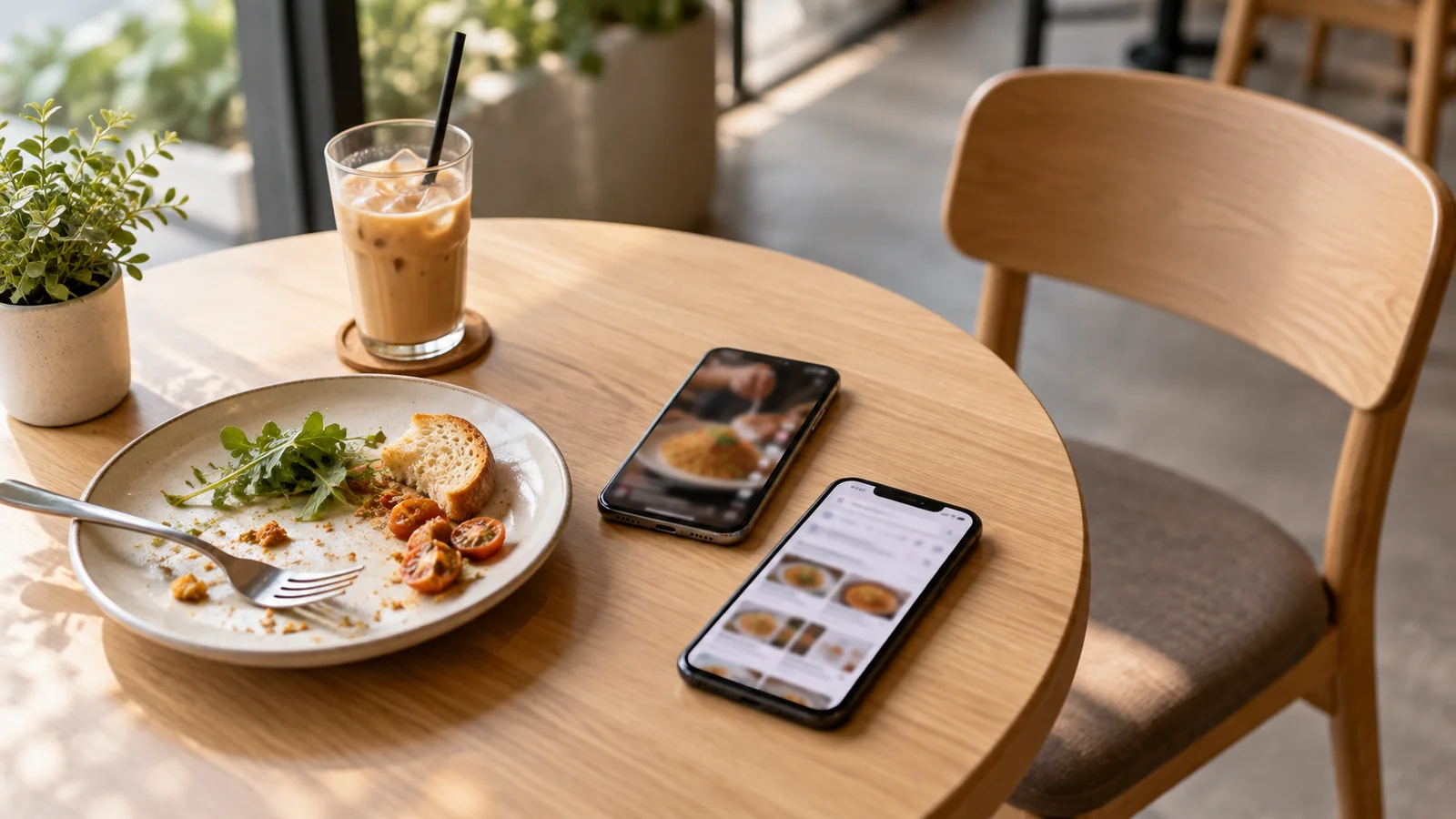
Why Does Food Go Viral in Malaysia?
The current synthesis: what “viral” actually means, the model we can defend today, common traits, Malaysian evidence and the questions we still cannot answer honestly.
Read the synthesis →What Does “Viral Food” Actually Mean?
A million-view post, a three-hour queue and an entire food category spreading are not the same thing.
What Traits Do Viral Foods Have in Common?
The common pattern is not one ingredient or visual trick. It is a combination of clear value, low comprehension friction and easy social reproduction.
Explore the research
Start with the question you are trying to answer.
Foundations
The three pages that define the research.
Why Does Food Go Viral in Malaysia?
The current synthesis of what virality means, what causes breakout attention and which patterns survive deeper scrutiny.
What Does “Viral Food” Actually Mean?
A million-view post, a three-hour queue and an entire food category spreading are not the same thing.
What Traits Do Viral Foods Have in Common?
The common pattern is not one ingredient or visual trick. It is a combination of clear value, low comprehension friction and easy social reproduction.
How virality starts
What creates the first wave of attention and participation.
Is Viral Food Planned or Organic?
What brands can deliberately seed, what must reproduce independently and how to tell the difference.
Can One Influencer Make a Restaurant Go Viral?
One creator can create the spark. The harder question is whether the attention escapes the creator.
Why Familiar Foods With One Big Twist Spread So Well
Many breakouts are not completely new foods. They are familiar enough to understand instantly and different enough to justify attention.
Why Some Foods Spread Without Influencers
A creator is one ignition route. Utility, identity, customer discovery and repeatable participation can start the loop without a formal influencer campaign.
How virality spreads
Broadcast, customer reproduction, cross-network movement and active search.
How Food Trends Cross Networks in Malaysia
Why trust, language, access and cross-cluster escape matter more than crude audience labels.
Views vs Virality: Why a Million Views May Mean Very Little
Reach tells you how many people saw something. Virality asks whether attention keeps reproducing after the original push.
When Social Attention Turns Into Search
The most useful transition may be when people stop being shown a restaurant and start looking for it.
Signals before the breakout
What to watch before queues and mainstream attention make the trend obvious.
How to Spot a Food Trend Early
The early signals worth watching before queues, media coverage and obvious mainstream attention.
What Happens Before a Food Goes Viral?
The useful research window is not the peak. It is the period when a small signal starts becoming independent demand.
Views vs Virality: Why a Million Views May Mean Very Little
Reach tells you how many people saw something. Virality asks whether attention keeps reproducing after the original push.
Malaysia & the world
Where trends come from, how they travel and what changes when they arrive here.
Are Malaysia’s Viral Foods Usually Foreign?
Imported trends are highly visible, but local venue and category breakouts show that foreign origin is not a requirement.
Case File: Burger Bakar and a Malaysian Viral Food Category
Before TikTok, burger bakar showed the same pattern: social buzz, long queues, exaggerated product cues, copycats and eventual shakeout.
Case File: How SS15 Became Malaysia’s Bubble Tea Street
The virality was not only a drink. It became a location, a comparison culture and a dense category cluster.
Trend lifecycle
How hype, queues, sellers and categories change on different clocks.
How Long Does Viral Food Actually Stay Viral?
There is no useful single average until you decide what is ending: attention, queues, sellers or the category itself.
When Is a Restaurant Queue Real Demand?
A queue can be social proof, a promotion artefact, a capacity bottleneck or genuine excess demand. Those are not the same thing.
Why Some Viral Food Posts Never Create Restaurant Demand
A post can win the feed and still lose the restaurant decision.
When virality fails
What can look viral without becoming durable restaurant demand.
Why Some Viral Food Posts Never Create Restaurant Demand
A post can win the feed and still lose the restaurant decision.
When Is a Restaurant Queue Real Demand?
A queue can be social proof, a promotion artefact, a capacity bottleneck or genuine excess demand. Those are not the same thing.
Views vs Virality: Why a Million Views May Mean Very Little
Reach tells you how many people saw something. Virality asks whether attention keeps reproducing after the original push.
Malaysian case files
Forensic reconstructions of how specific food phenomena moved from first signal to wider demand.
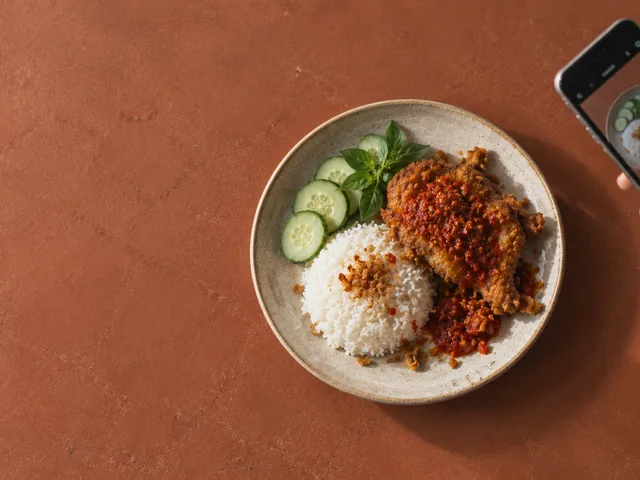
Case File: How Gepuklah Broke Out in Malaysia
A creator-led category obsession became a constrained pop-up, hours-long queues and a permanent restaurant commitment.
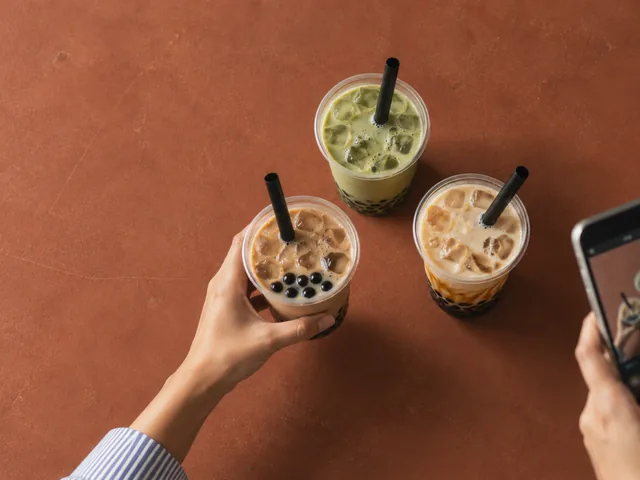
Case File: How SS15 Became Malaysia’s Bubble Tea Street
The virality was not only a drink. It became a location, a comparison culture and a dense category cluster.
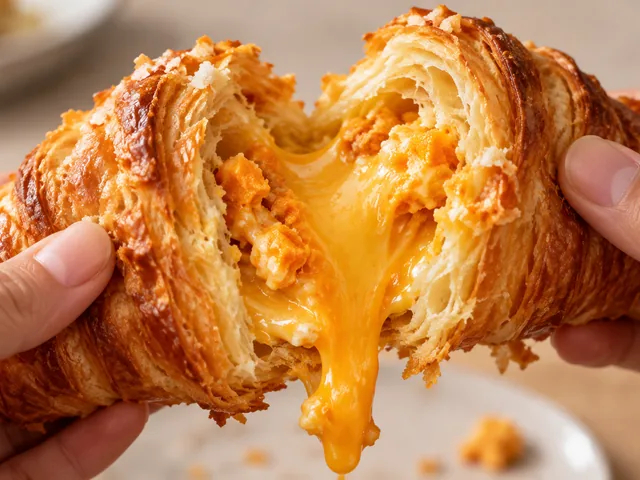
Case File: The Salted Egg Croissant Breakout
A familiar dim-sum flavour inside a croissant became an unusually clear example of legible recombination, blogger ignition and scarcity amplification.
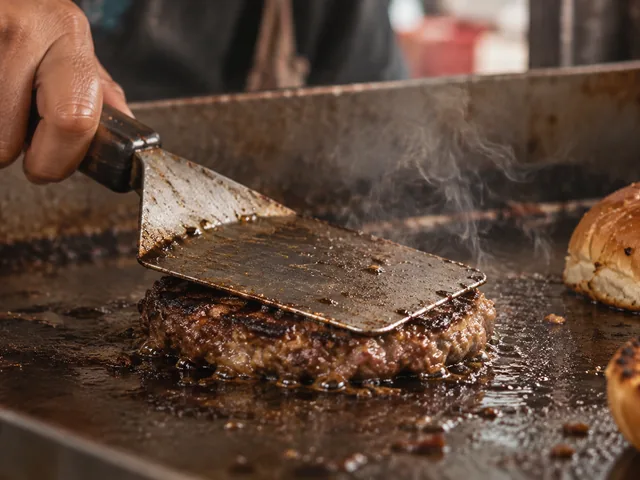
Case File: Burger Bakar and a Malaysian Viral Food Category
Before TikTok, burger bakar showed the same pattern: social buzz, long queues, exaggerated product cues, copycats and eventual shakeout.
Questions we are still investigating
These are research gaps, not conclusions waiting for copy.
Are drinks structurally more likely to convert viral trial into routine purchase than full meals?
Does a breakout in Singapore, Indonesia, Korea or China shorten the Malaysian novelty window?
How much cross-network diversity appears before a Malaysian food trend becomes self-sustaining?
Which early signals separate genuine breakouts from heavily promoted launches that die?
How long is the lag between digital attention, search, queues and new seller entry by city?
Can we build a Malaysian case-control dataset that predicts breakout probability before the peak?