How Do Customers Actually Choose a Restaurant?
Restaurant choice is rarely one factor. Customers discover options, remove poor fits, compare a smaller set and choose what feels right for the occasion.

A customer rarely asks, “Which restaurant has the best overall score?” They usually start with a moment: quick lunch, family dinner, date night or celebration. That occasion changes which restaurants enter the set and what matters next.
Choice then narrows through practical filters, comparison and confidence. The winning restaurant is the one that fits that moment well enough to survive each step.
Think of restaurant choice as a sequence
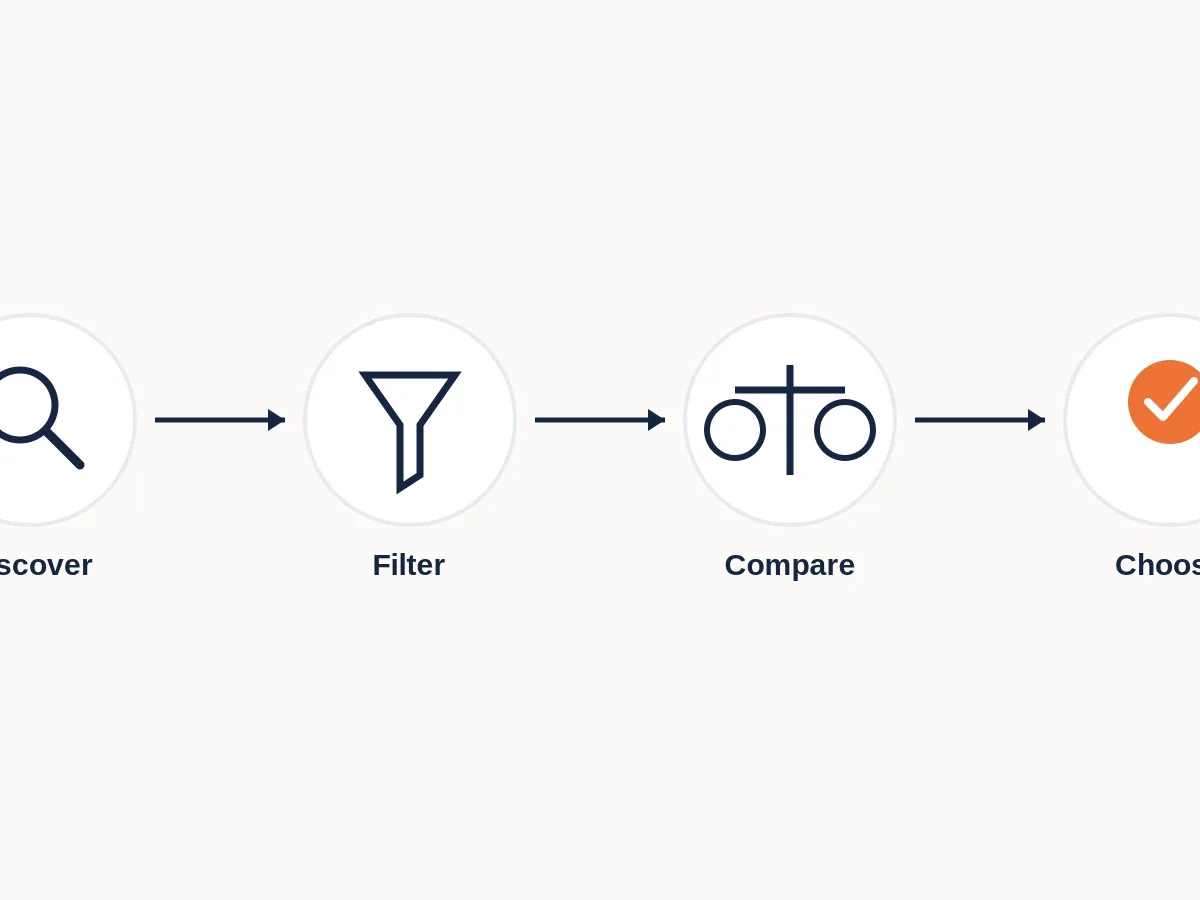
Discovery determines which restaurants enter awareness. Filtering removes options that fail basic constraints such as location, opening hours, budget, dietary needs or group suitability. Comparison happens among the remaining options. Choice is the final selection, often made with incomplete information and influenced by familiarity, confidence and the people involved.
A restaurant can therefore lose at several different stages. If it never enters the set, the problem may be discovery. If customers inspect it and leave, the friction is later. If groups repeatedly veto it, the issue may have little to do with the person who first discovered the restaurant.
The sequence is not perfectly linear. A friend’s recommendation can push a restaurant directly into a shortlist. A viral post can create discovery and a strong expectation at the same time. A negative recent review can remove an option after everything else looks suitable. The framework is useful because it shows where a decision can change, not because every customer follows identical steps.
Restaurant choice is usually a sequence, not a single rating or ranking.
The customer journey often starts with awareness, narrows through filters, then becomes a smaller comparison among realistic options.
There is no single factor that wins every occasion
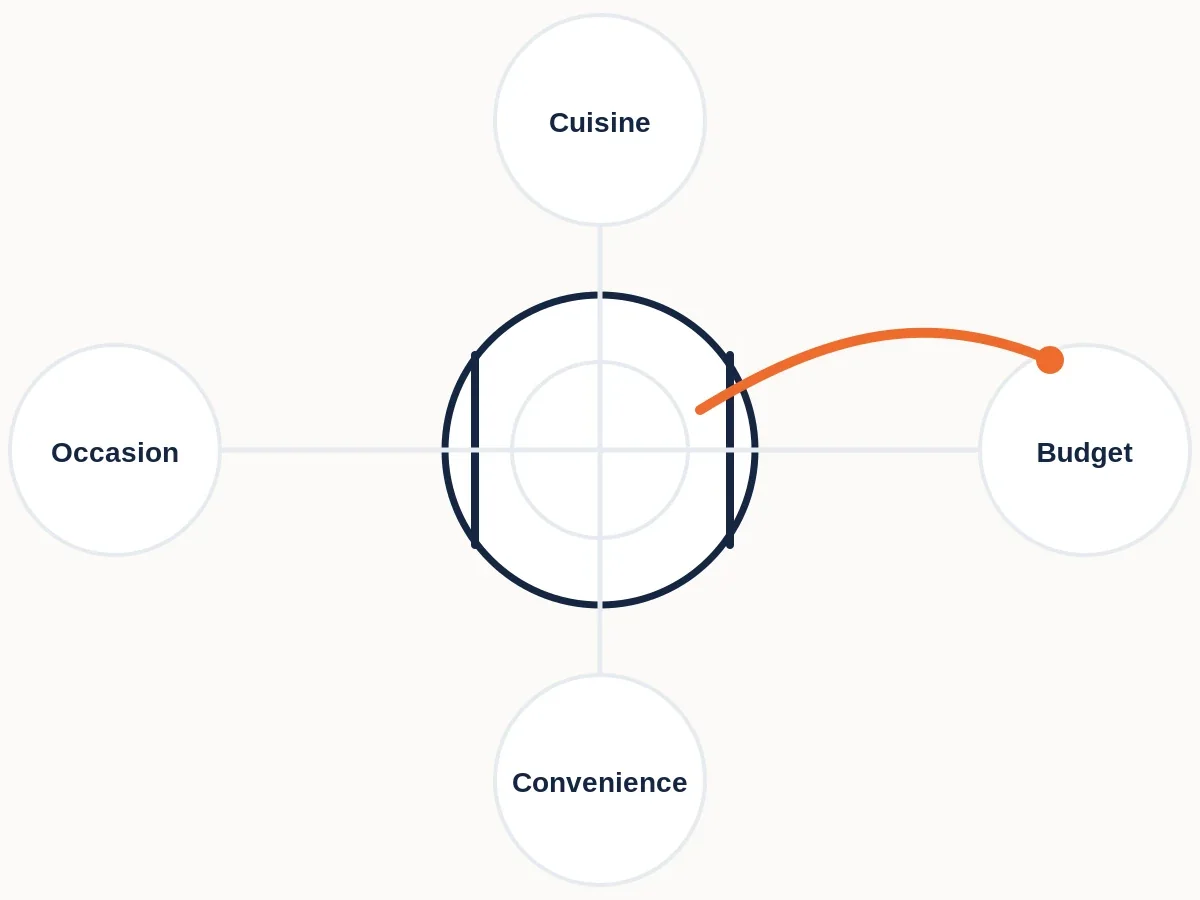
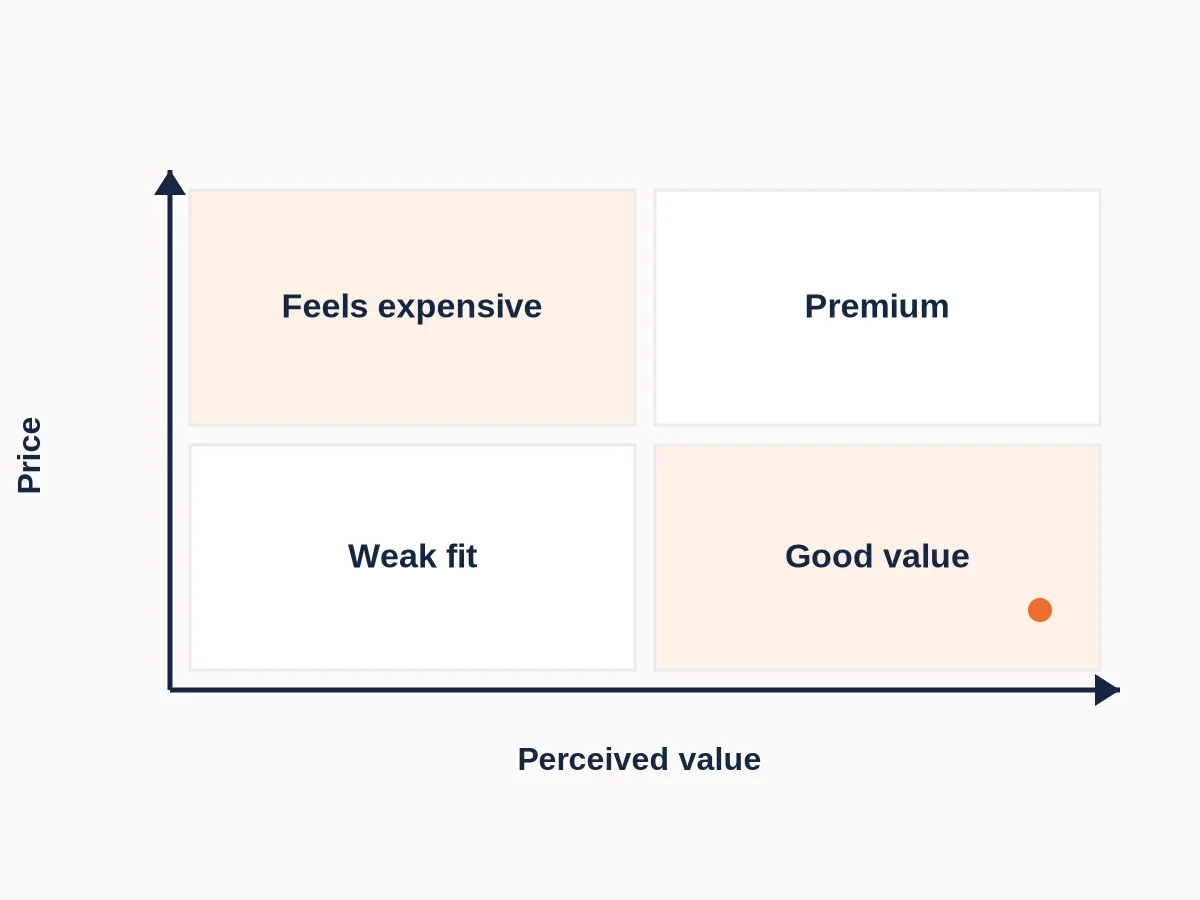
Customer priorities are situational. Speed and price may dominate a quick meal. Reputation and confidence may become more important for a business dinner. Word of mouth can carry more weight for a celebration because the perceived cost of making a poor choice is higher.
This is why “What do customers care about most?” is often the wrong question. A better question is “What does this customer care about for this occasion, in this market, compared with these alternatives?”
Group decisions make this even more complex. One person may discover the restaurant, another may care most about parking, another may object to price and someone else may need a dietary option. The final choice can be the restaurant that creates the fewest objections rather than the one any single person likes most.
Nine choice factors ranked by 539 restaurant customers.
Participants in a 2017 Klang Valley survey ranked nine restaurant-selection factors. The overall order is useful as historical evidence, but the study also found that rankings changed by dining occasion.
Lower mean rank indicates greater importance in this survey. The data were collected in 2017, so use the chart to understand the multi-factor nature of choice rather than as a current universal ranking for Malaysia.
Why general rankings should be used carefully
One Malaysian study may rank price highly. Another may identify food quality and social-media influence as important. That does not automatically mean the studies conflict. Samples, locations, restaurant types, time periods and research questions differ.
For an operator, the purpose of external research is to identify plausible factors and patterns. The restaurant-specific question still has to be answered with evidence from the restaurant’s own context.
This is also why ORBIT should not publish a universal “top ten factors Malaysians care about” and pretend it applies to every restaurant. Research can establish useful patterns, but restaurant decisions are conditional on location, concept, customer group, occasion and the alternatives available at that moment.
Use market research to understand possible decision factors. Do not assume the average ranking is the ranking for your restaurant.
What this means for restaurant operators
- Define the occasions you want to win. Avoid treating all diners as one segment.
- Understand how people discover options. Search, Maps, social, word of mouth and familiarity may play different roles.
- Identify the basic filters. Price range, location, hours, menu, access and group needs can eliminate a restaurant before deeper comparison.
- Study the final comparison set. What alternatives are customers likely to weigh against you?
- Look for the decision friction. The most visible metric is not always the factor stopping the choice.
Sources and context
Chua et al. (2020), Customer Restaurant Choice: An Empirical Analysis of Restaurant Types and Eating-Out Occasions. These sources support the general explanation above. They do not diagnose any specific restaurant, and study findings should be interpreted within their sample, place and time period.
Understand the decision around your restaurant.
ORBIT applies this decision lens to the external market surrounding your specific restaurant, its alternatives and the signals customers can see.