Why Isn’t My Restaurant Marketing Working?
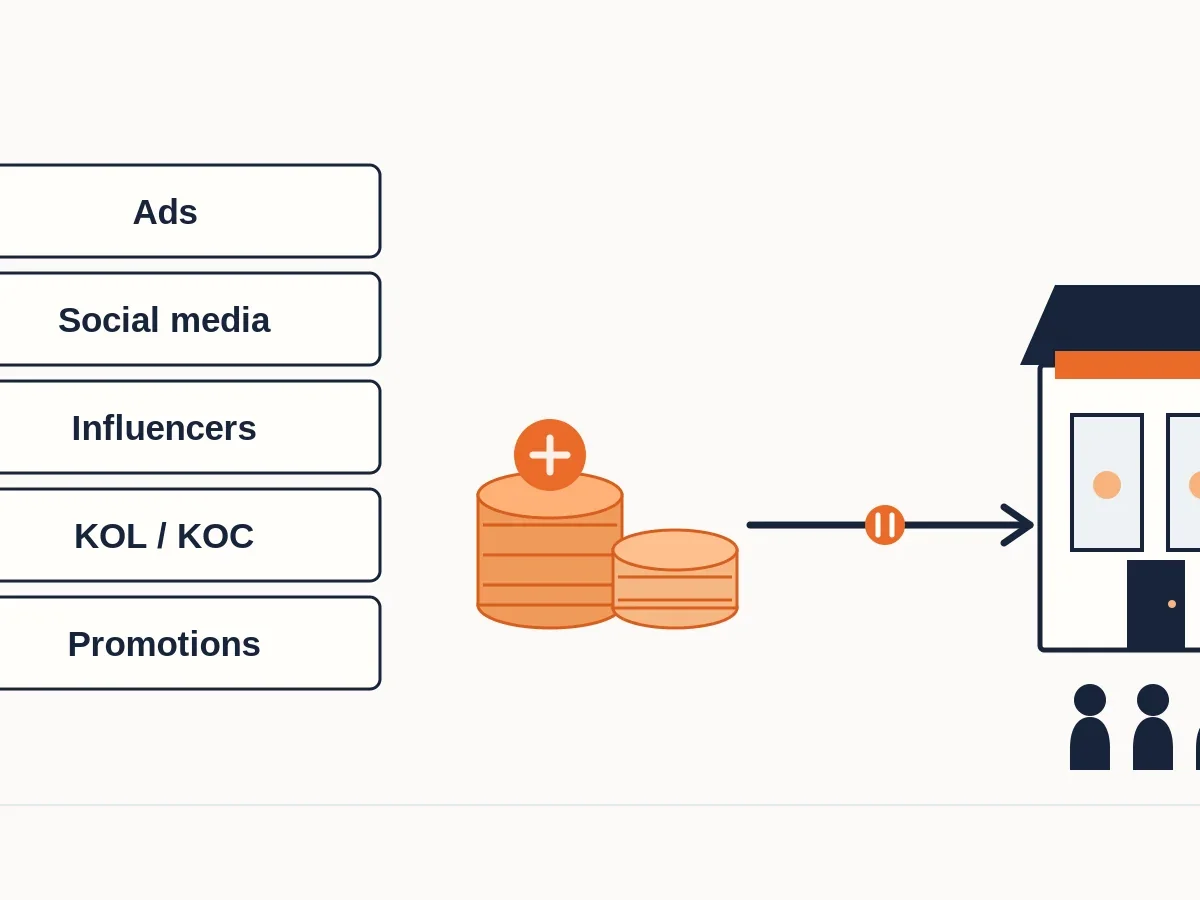
More marketing helps when the problem is insufficient discovery. It is much less useful when customers already see you and reject the restaurant later in the decision.

More marketing only solves a discovery problem. If customers already see you and then reject the restaurant, increasing reach sends more people into the same leak.
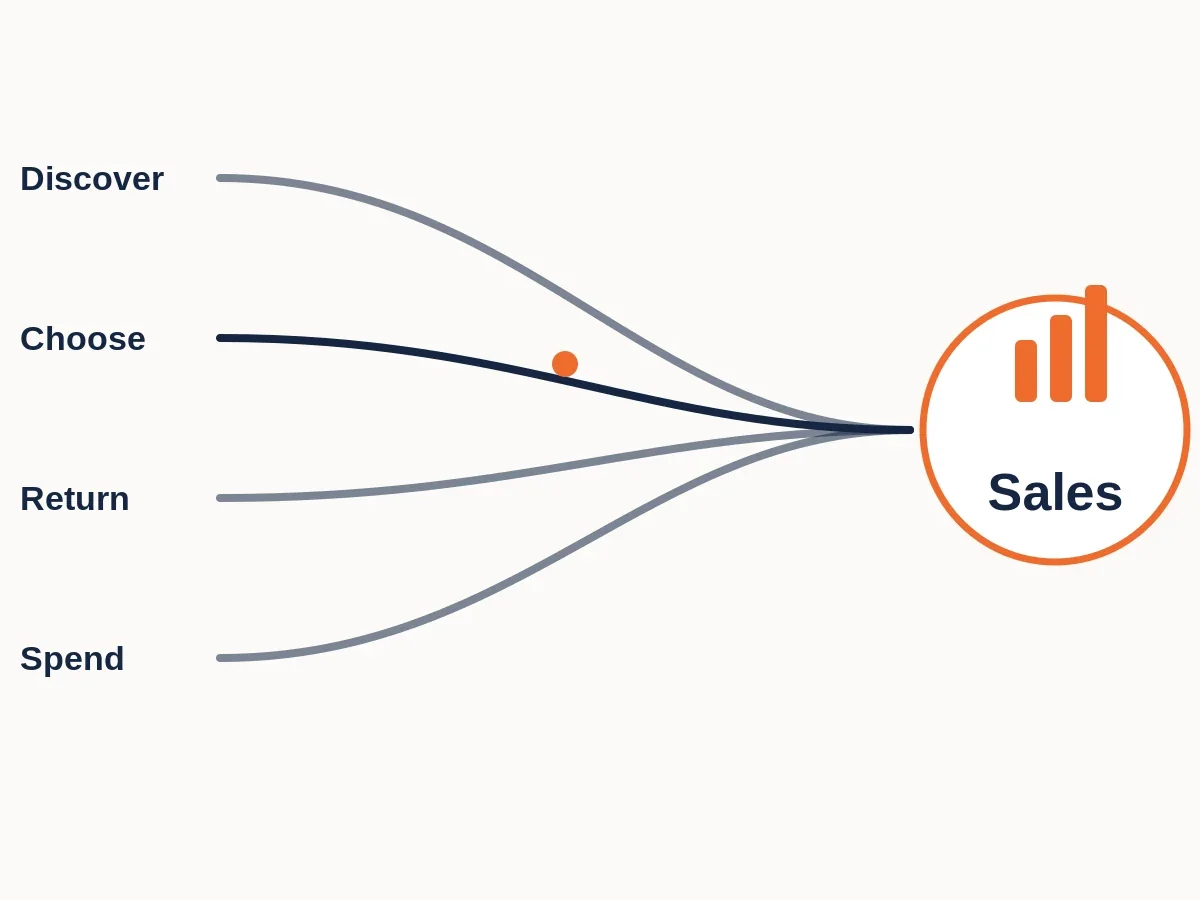
Before spending again, identify whether the failure is reach, relevance, validation, choice or repeat behaviour.

First ask what you expected marketing to change
“Marketing” is often used to describe everything from awareness to sales. That makes diagnosis difficult. A campaign designed for reach should not be judged only by same-day revenue, while a campaign designed for reservations should not be defended with impression counts if bookings remain flat.
Define the intended movement. Did you want more local discovery, more menu consideration, more bookings, more walk-ins, more orders or more repeat visits? Then use the metric closest to that behaviour.
If the objective is awareness, use awareness evidence. If the objective is reservations, follow the path to reservations. This sounds obvious, but many restaurant campaigns are judged with a mix of impressions, likes and revenue without a clear link between the metric and the intended behaviour.
A reach problem and a choice problem look very different
If relevant customers are not seeing the restaurant, better distribution, targeting, search visibility or creative may help. If people are already finding the restaurant and then not acting, more reach can simply send more people into the same friction.
This is where restaurant operators should connect marketing data with decision-facing evidence. A strong impression count alongside weak directions, menu actions, enquiries or transactions suggests a different problem from weak visibility across every channel.
For example, suppose paid campaigns double profile traffic but directions and bookings barely move. Buying another 50% more traffic may simply scale the same leakage. The more useful next question is what people see, compare and reject after arriving at the restaurant information.
Google itself separates visibility from customer actions.
Google Business Profile performance reports views and searches separately from interactions such as direction requests, calls, website clicks, bookings and menu actions. That separation is useful because seeing a restaurant profile and acting on it are different behaviours.
These metrics still do not prove a physical visit or explain why someone did not choose the restaurant. They are diagnostic steps between visibility and commercial outcome.
Source: Google Business Profile Help, Understand your Business Profile performance & insights
When should you spend more on marketing?
Increasing spend makes more sense when the restaurant has a clear proposition, the offer converts reasonably among people who consider it, the target audience is identifiable, existing campaigns show efficient downstream actions and there is still meaningful room to expand discovery.
Investigate first when attention is already strong but downstream actions are weak, when customer comments repeatedly point to value or convenience friction, when a competitor has become a stronger default, or when the restaurant cannot clearly explain which customer and occasion it is trying to win.
Marketing can also expose a market problem rather than cause it. If several different campaigns, creatives and channels repeatedly bring qualified attention but similar weak action, the consistency itself is evidence worth investigating. At that point the answer may sit in positioning, value, convenience or competitive fit rather than media execution.
Do not ask whether marketing is “working” until you define which customer behaviour it was supposed to change.
A simple marketing diagnosis before the next campaign
- Discovery: Are relevant people seeing or searching for you?
- Consideration: After discovery, are they checking menus, reviews, location, photos or other decision information?
- Action: Are directions, calls, enquiries, bookings, orders or visits moving?
- Economics: Is the customer acquisition cost sensible relative to the value of the customer?
- Repeat: Are first-time customers returning, or are you paying repeatedly to replace churn?
Sources and context
Google Business Profile Help, Understand your Business Profile performance & insights. These sources support the general explanation above. They do not diagnose any specific restaurant, and study findings should be interpreted within their sample, place and time period.
Separate the marketing problem from the restaurant-choice problem.
ORBIT examines the external market around your restaurant so you can see whether the next move should focus on visibility, value, competition or another decision factor.