Why Isn’t Social Media Bringing More Customers to My Restaurant?
Views, likes and followers measure attention. Your restaurant still has to survive the customer’s next comparison before that attention becomes a visit.

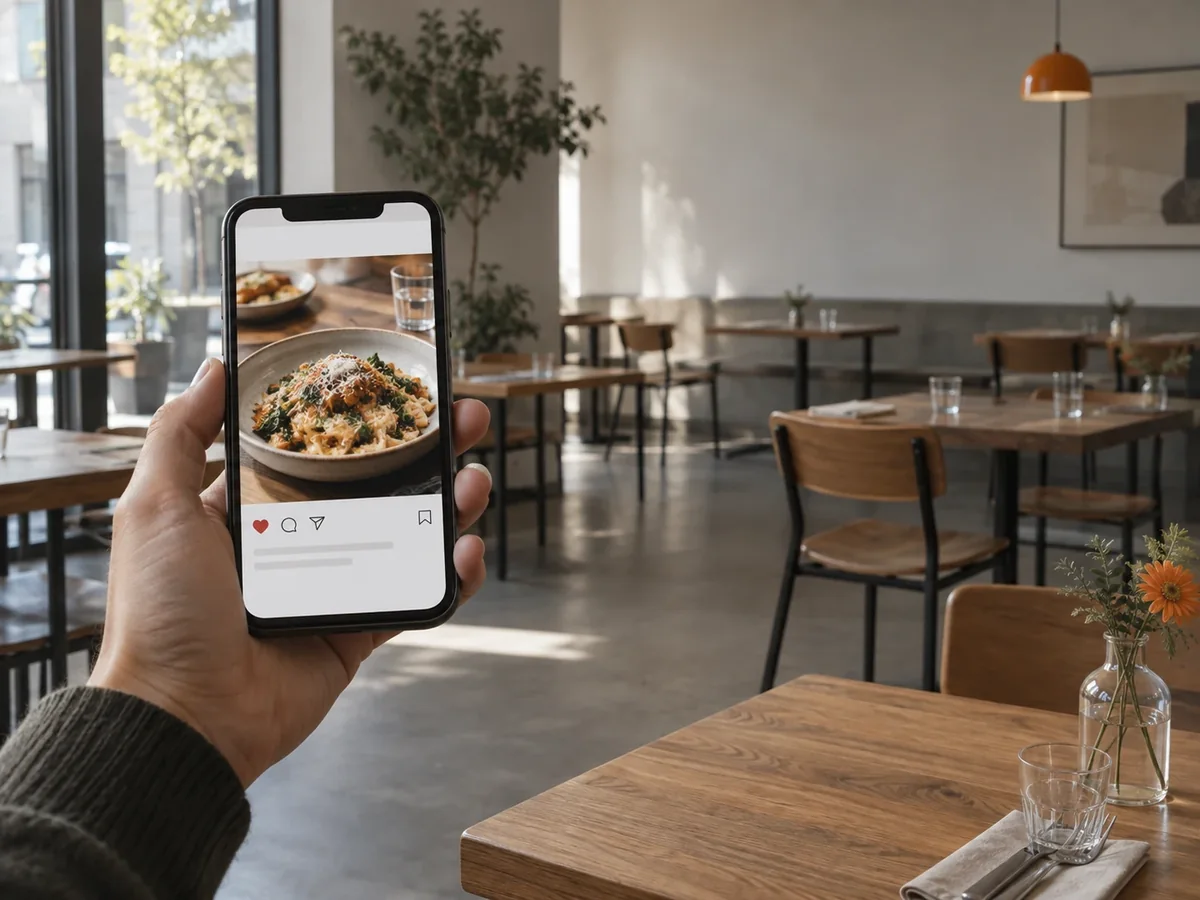
Your social media may be working as a discovery channel and still fail to create restaurant visits. Attention is only the first step; customers can drop away when they check the menu, price, location, reviews or alternatives.
So do not ask only whether the content performed. Ask what happened after interest was created.
Separate reach, interest and restaurant choice
Reach tells you that content was shown. Engagement tells you that someone reacted to it. Neither proves that the person entered a serious restaurant decision, checked the menu, compared alternatives or visited. A post can be entertaining without moving the customer any closer to a purchase.
This is why a restaurant can have growing follower counts and flat sales at the same time. Social content may be creating awareness at the top of the journey while the friction exists later, when people check price, reviews, opening hours, distance, parking, menu breadth or suitability for the group.
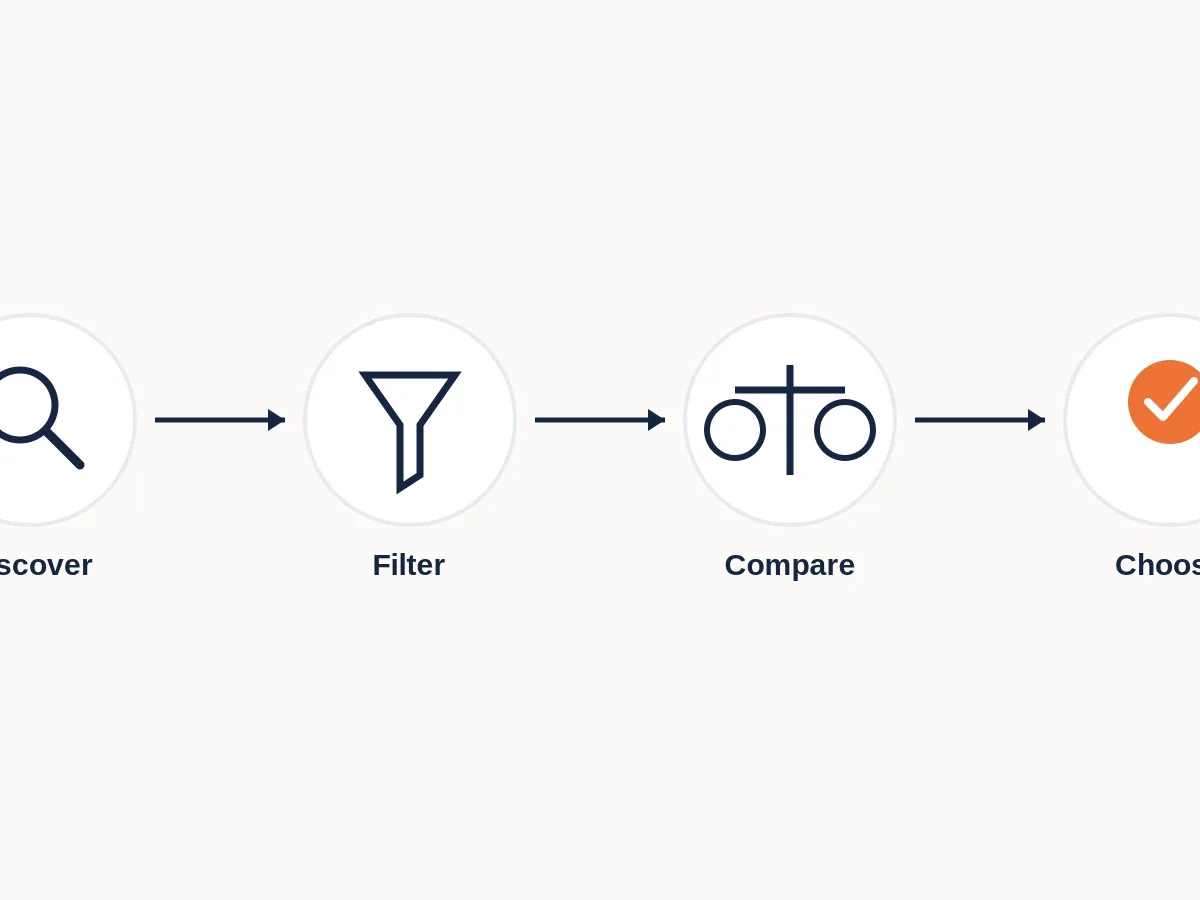
A useful way to think about it is to ask what the customer had to believe at each stage. The post must first earn attention. The restaurant must then feel relevant enough to investigate. The menu and price must make sense. The location and timing must be workable. Finally, the restaurant has to beat the alternatives that enter the same decision.
What happens between a post and a visit?
After seeing content, a potential customer may search the restaurant name, open Google Maps, look at the menu, check recent reviews, send the place to friends or compare it with another option. Each step can strengthen or weaken the decision.
If the content promises one experience but the menu, price point, profile photos or review themes suggest another, attention can disappear quickly. The same happens when a post reaches people who like looking at the content but are too far away, outside the target occasion or simply not ready to choose a restaurant.
For example, a Reel showing an impressive dish can generate thousands of views, but a customer planning a group dinner may immediately leave when the menu looks too narrow or seating information is unclear. The content succeeded at attention. The restaurant still lost the decision for a reason that the social metric cannot explain.
Visibility and persuasion are not the same thing.
A 2025 UiTM study of food-purchase behaviour in Klang Valley surveyed 100 respondents. Social media influencers and food festivals showed significant relationships with purchase behaviour, while hashtags did not show a significant direct effect. The model explained 57.9% of the variance in purchase behaviour in that sample.
The study concerns food-purchase behaviour and used a small convenience sample, so it should not be treated as a universal restaurant-conversion rate. Its useful lesson is that visibility mechanisms and persuasive influence are not identical.
When is social media itself the problem?
The channel may genuinely be weak if reach among relevant local customers has fallen, the content no longer communicates a clear reason to visit, or the restaurant is not appearing in the formats and places its intended audience uses. But the diagnosis changes if discovery is healthy and people are still not taking the next step.
Look for the transition. Are people searching the brand after a campaign? Are profile actions, menu views, enquiries, reservations or orders increasing? Are the people who engage geographically and behaviourally plausible customers? A marketing team can improve content, but it cannot solve every friction that appears after the click.
Also separate organic content from paid acquisition. A weak organic post may simply have limited distribution, while a paid campaign with strong click-through but poor downstream action can signal a mismatch between the promise in the ad and the decision information customers find afterwards. The same “social media is not working” complaint can therefore describe very different problems.
Do not diagnose social media by likes alone. Connect attention to the behaviours that happen after attention.
What should you check before posting more?
Use social metrics as the start of the diagnosis, not the conclusion. Then connect them to the next behaviours you can observe.
- Audience quality: Are the viewers actually within your service area and relevant to the dining occasions you want?
- Next-step behaviour: Do campaigns lift branded search, profile visits, menu views, directions, enquiries, reservations or orders?
- Message consistency: Does what people see on social match the menu, price, atmosphere and experience they find elsewhere?
- Competitive context: What other restaurant is the customer likely to compare immediately after seeing you?
- Commercial outcome: Are sales, transactions or new-customer indicators moving with the attention metrics?
Sources and context
Saiful Bahry et al. (2025), From Clicks to Carts: How Social Media Shapes Food Purchase Behaviour in Klang Valley. These sources support the general explanation above. They do not diagnose any specific restaurant, and study findings should be interpreted within their sample, place and time period.
Find out what happens after customers notice you.
ORBIT looks beyond a single marketing channel to the external signals surrounding your restaurant, including customer choice, alternatives, value and market context.